BUSINESS ESWATINI FORGES THE FUTURE OF TAX COMPLIANCE AS RETAIL LEADERS STEP UP FOR PIONEERING ERS’ FISCALISATION PROJECT

Business Eswatini Newsletter – July Edition
August 28, 2026
Invitation: Technical Review of Business Eswatini’s NBSAP 3.0 Submission – 23 September 2026
September 14, 202603 September 2026
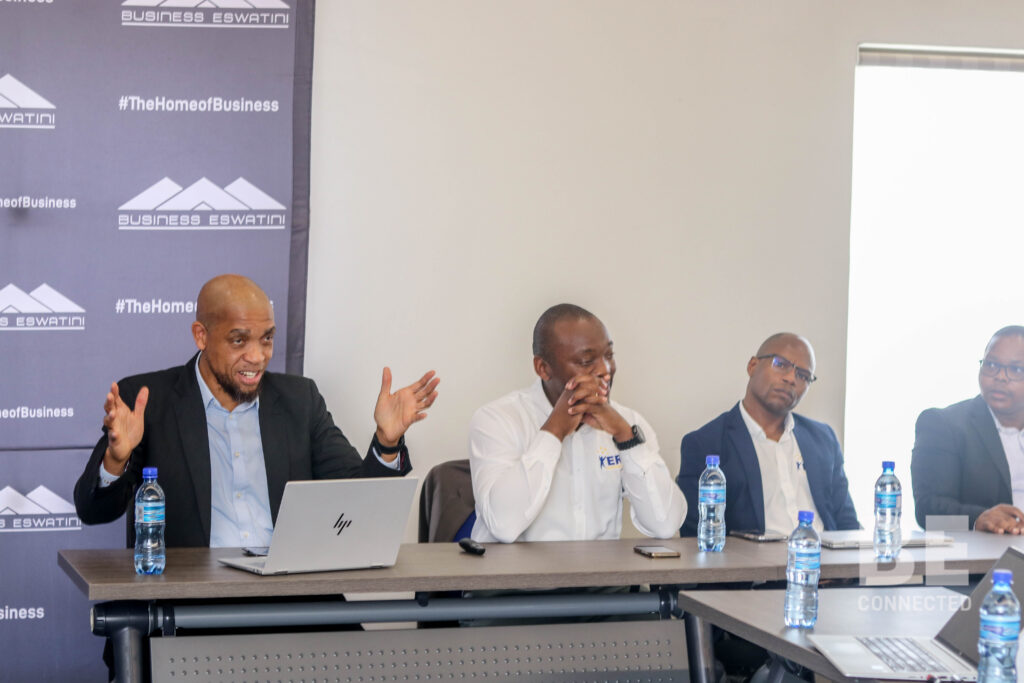
In a defining moment for Eswatini’s digital transformation journey, Business Eswatini (BE) convened a high-stakes engagement between its retail and wholesale members and the Eswatini Revenue Service (ERS) today, thrusting the landmark Fiscalisation Project, better known as e-invoicing into the spotlight.
Far from a routine briefing, this session marked a pivotal step in reshaping how businesses interact with the tax system. With BE at the helm, the dialogue wasn’t just about new software; it was about forging a future where compliance is seamless, errors are minimised, and the administrative burden on businesses is drastically reduced.
ERS laid out a clear vision: a move away from manual, paper-heavy invoicing toward a standardised digital ecosystem where transactions are generated, transmitted, and validated in real-time or near real-time. The promise is significant, greater accuracy, faster processing, and a smoother path to voluntary tax compliance. However, Business Eswatini, ever the guardian of the private sector’s interests, injected a critical note of pragmatism into the discussion. BE underscored that these benefits are only attainable if the implementation is practical, proportionate, and sensitive to the vastly different technological capabilities and operating environments of businesses across the country.
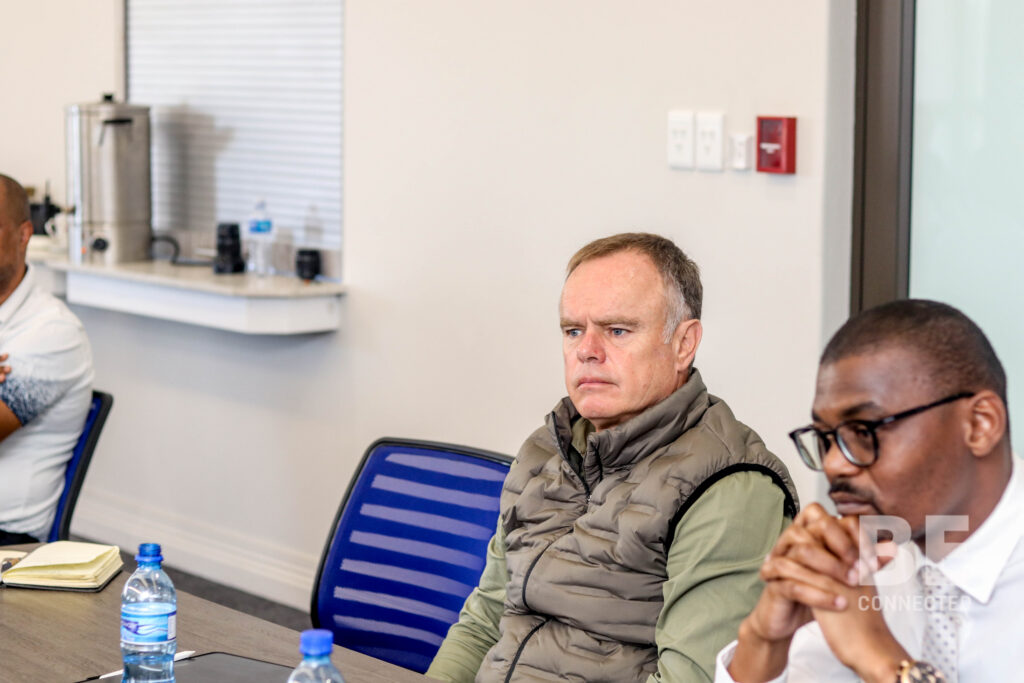
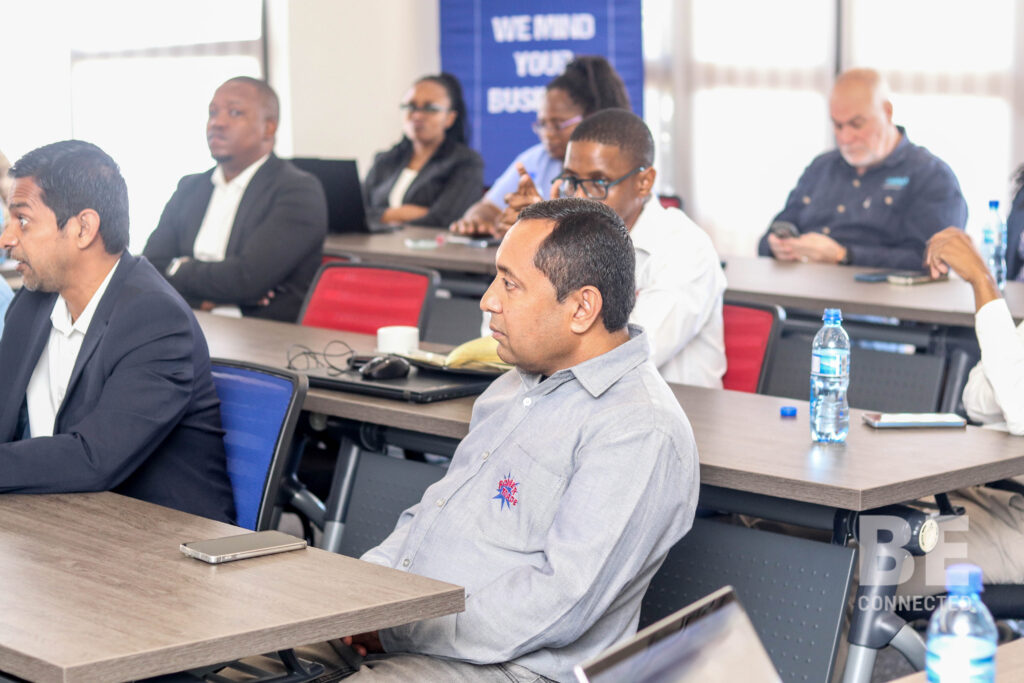
The dialogue was electric with practical candour. Members didn’t hold back, raising pointed, frontline questions about the nitty-gritty of the transition: integration hurdles with existing Point-of-Sale and accounting systems, the true cost of implementation, and crucially, what the transitional period will look like for businesses on the ground. This wasn’t just a Q&A; it was a collaborative masterclass, with members offering invaluable, practical suggestions drawn from their daily operating realities, insights that will be invaluable as ERS refines its implementation model.
In a spectacular show of private sector leadership and trust in Business Eswatini’s stewardship, a significant number of companies stepped forward to volunteer for the pilot phase of the Fiscalisation Project. BE hailed this commitment as proof that when there is genuine, adequate consultation, the business community is not just willing, but eager, to lead the charge in innovation and bolster voluntary tax compliance.
This engagement reaffirmed Business Eswatini’s position as the most trusted conduit between the private sector and regulatory bodies. By facilitating this critical face-off with ERS, BE once again demonstrated its unparalleled ability to manage and maintain vital partnerships that protect member interests and shape national policy.
“Continued, deep engagement is not a luxury; it is a necessity,” BE CEO E.Nathi Dlamini emphasised, cementing its role as a proactive force. “Early, robust consultation is the only way to identify implementation challenges before they become costly speed bumps for either businesses or the revenue administration.”
As the Fiscalisation Project marches from design and piloting toward national rollout, Business Eswatini remains firmly at the centre of the conversation, ensuring that the voice of the private sector is not just heard, but heeded. With business leaders ready to pilot the future, the country is poised for a tax compliance evolution that is efficient, innovative, and built on a foundation of trust.